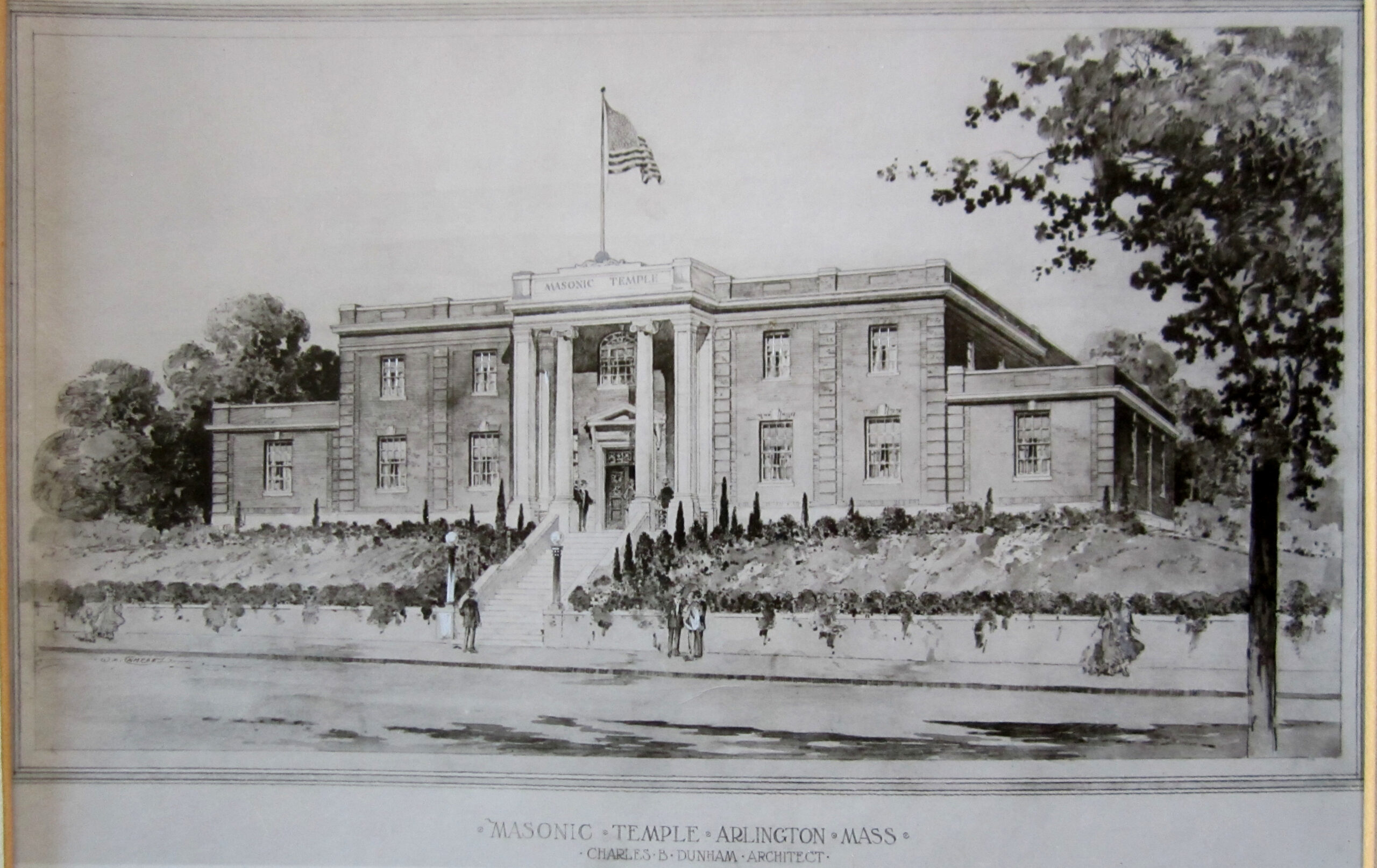
The dry sunny slope in front of the Arlington Masonic Temple is being developed as a natural border. The original renderings by the architect, Charles Dunham, showed a landscaping plan with low and columnar foundation plantings, with low shrubbery framing the front steps and front wall. The long-term goal of the landscape plan is to emulate this original design, using predominantly pollinator-friendly annual and perennial wildflowers and shrubs.
Annuals & biennials
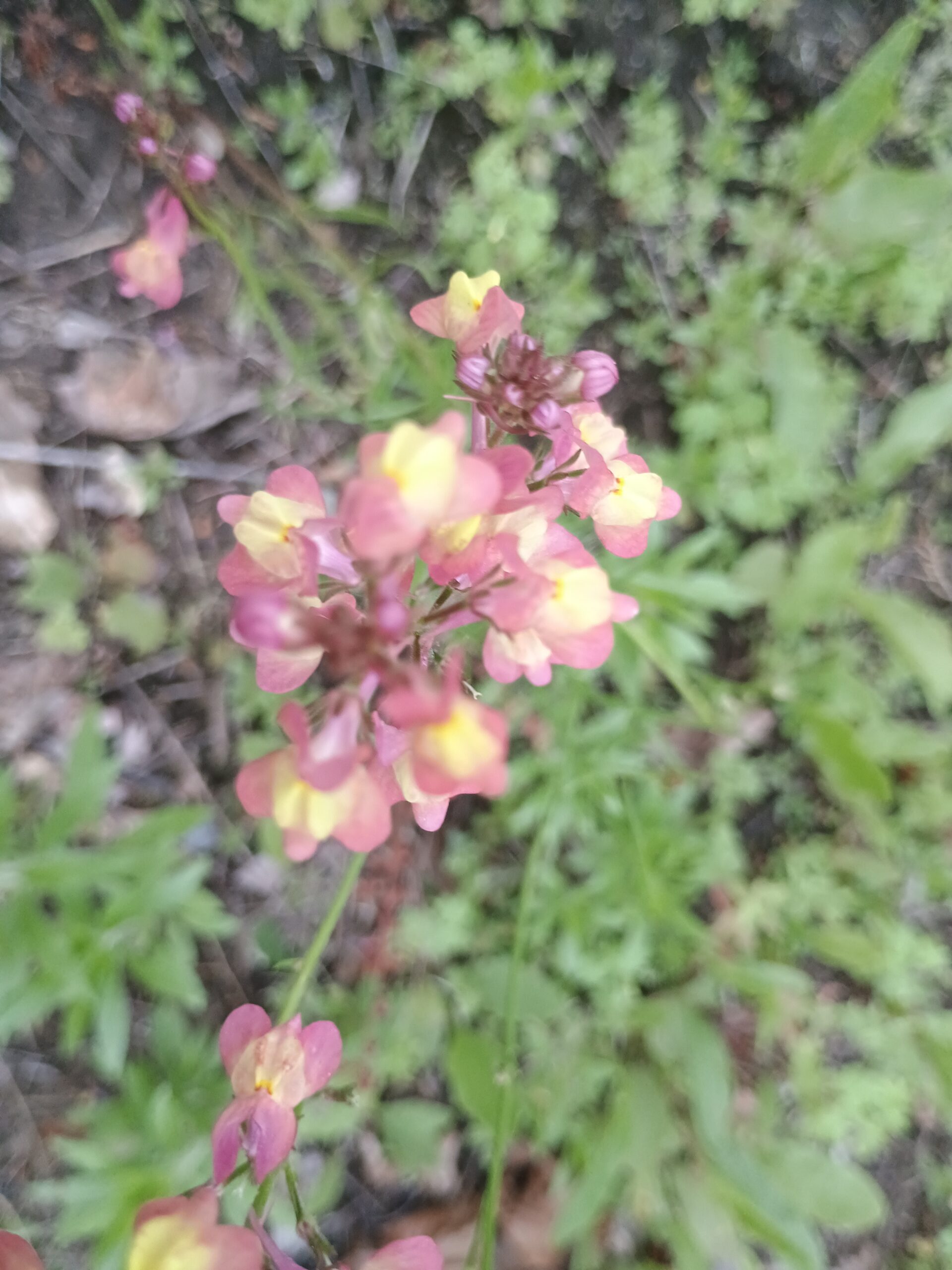
Linaria maroccana (toadflax) An introduced annual wildflower.
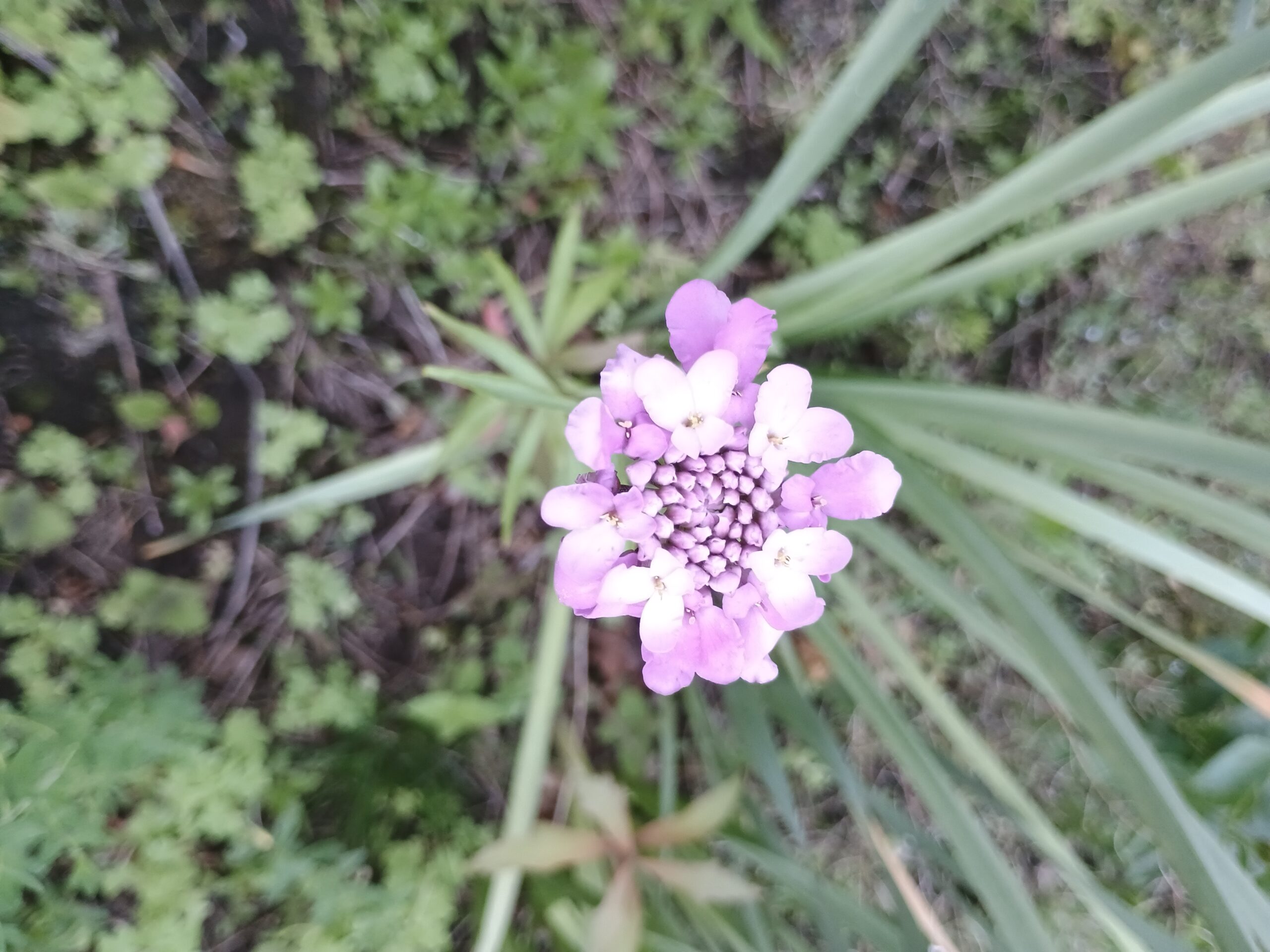
Iberis umbellata (common candytuft) An introduced annual wildflower.
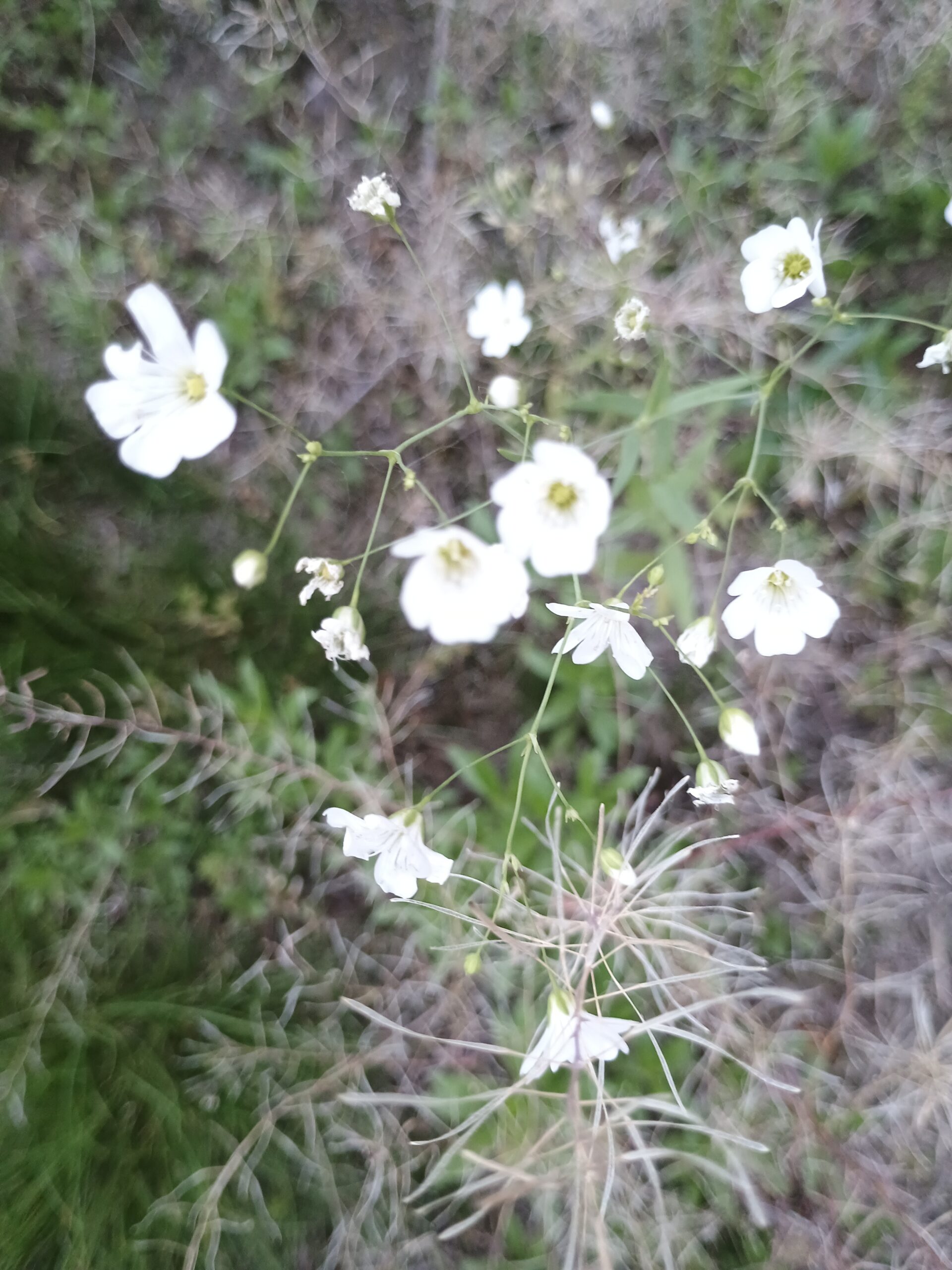
Gypsophila elegans (Baby’s Breath). A non-native annual wildflower.
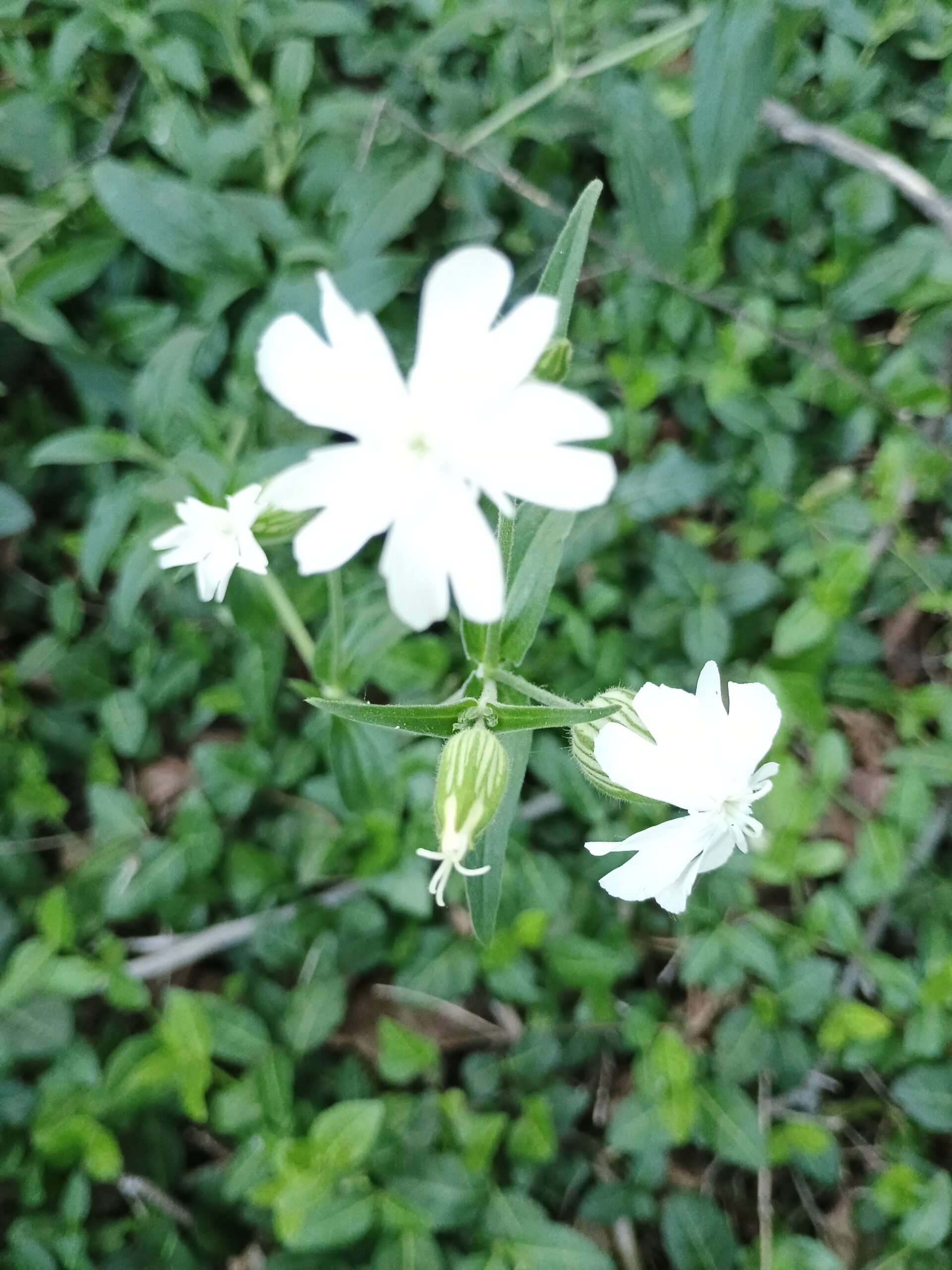
Silene noctiflora (night-flowering catchfly) a non-native annual pollinated by night-flying moths
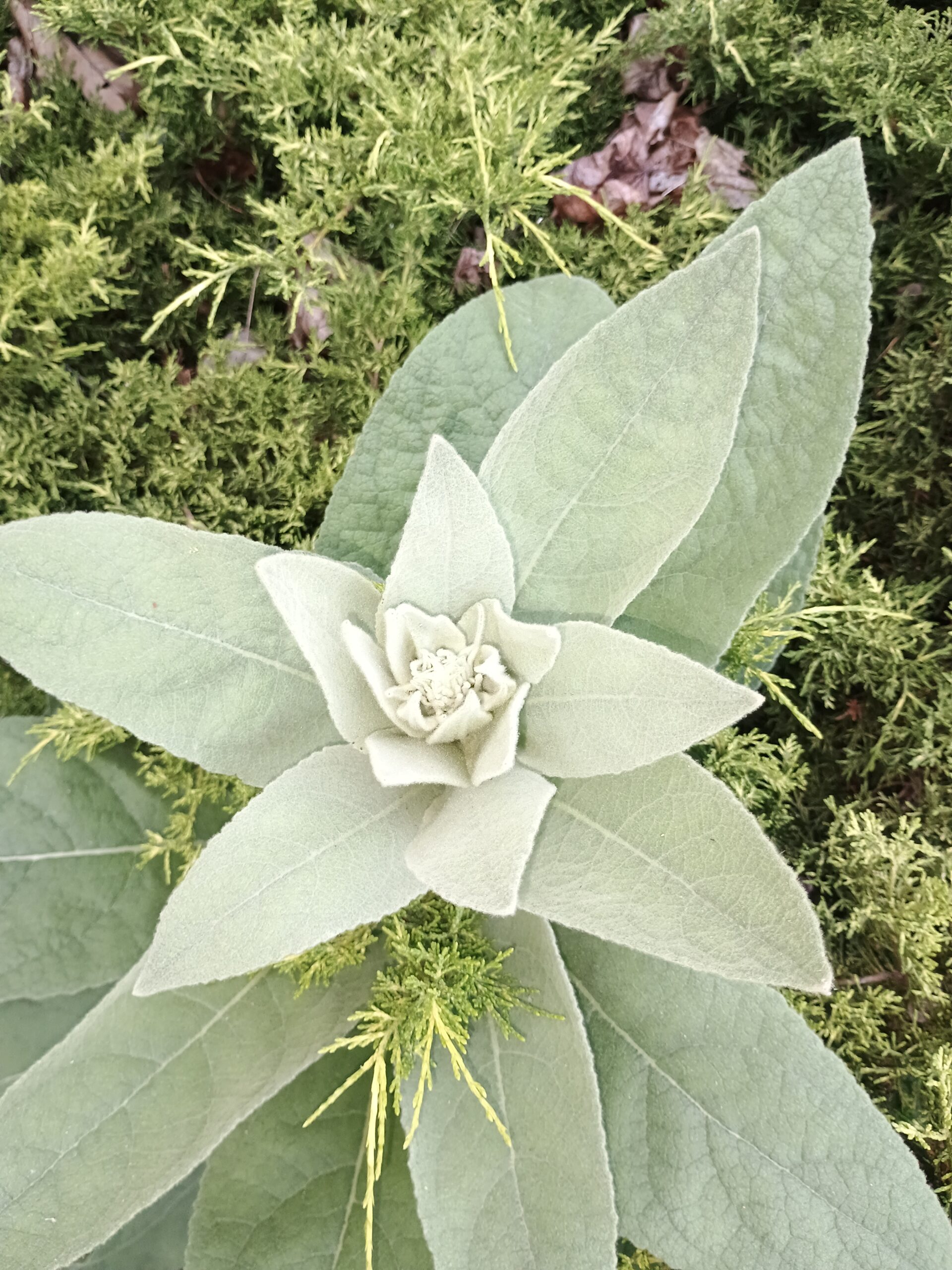
Verbascum thapsus (Common Mullein) An introduced beneficial biennial. The flowers attract pollinators and the seeds attract birds.
Perennials
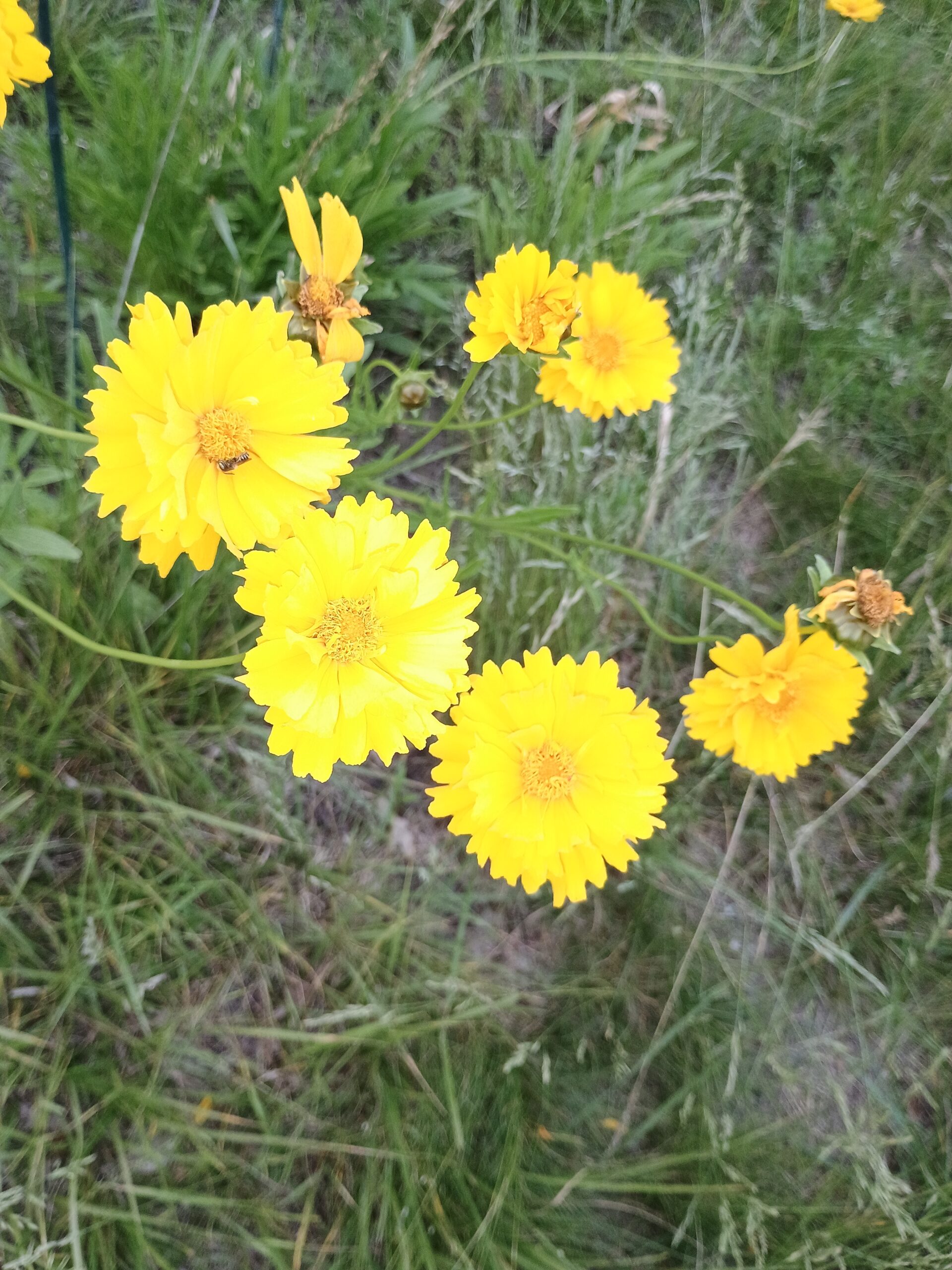
Coreopsis lanceolata (tickseed) A native perennial attractive to many pollinators.
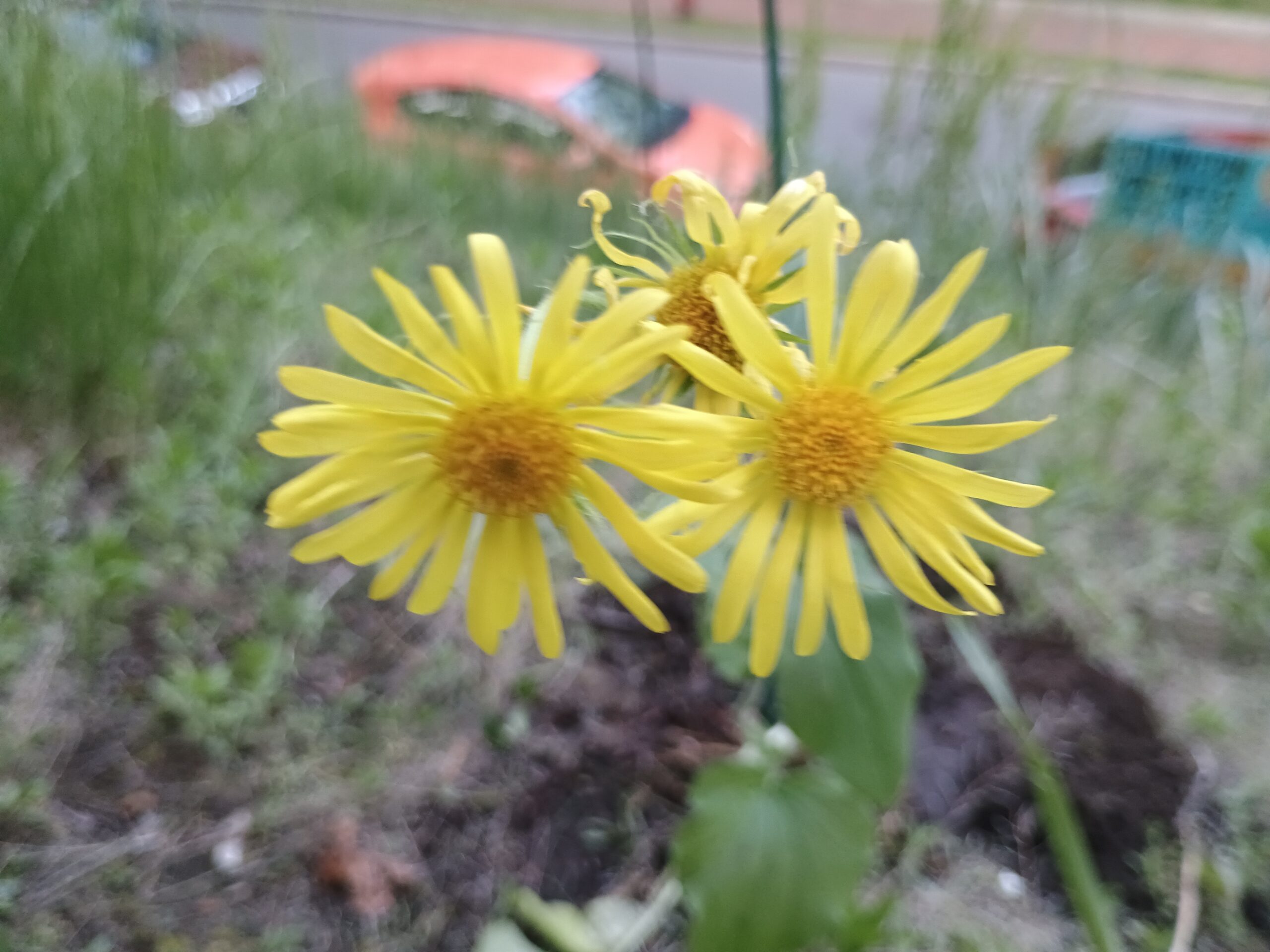
Doronicum columnae (Eastern Leopard;’s Bane) A perennial wildflower attractive to bees and other pollinators.
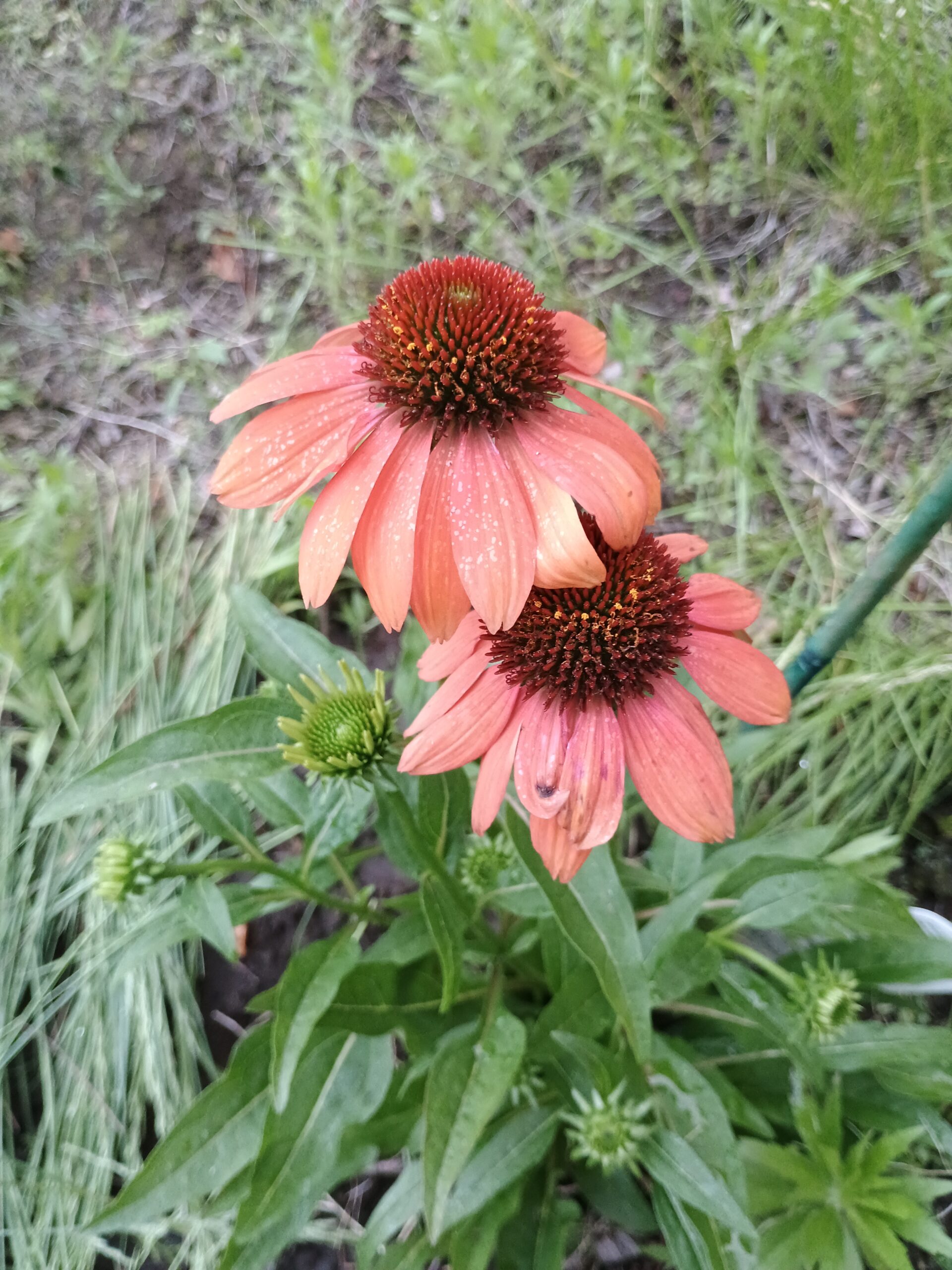
Echinacea purpurea (coneflower) A common perennial which attracts many insects and gold finches.
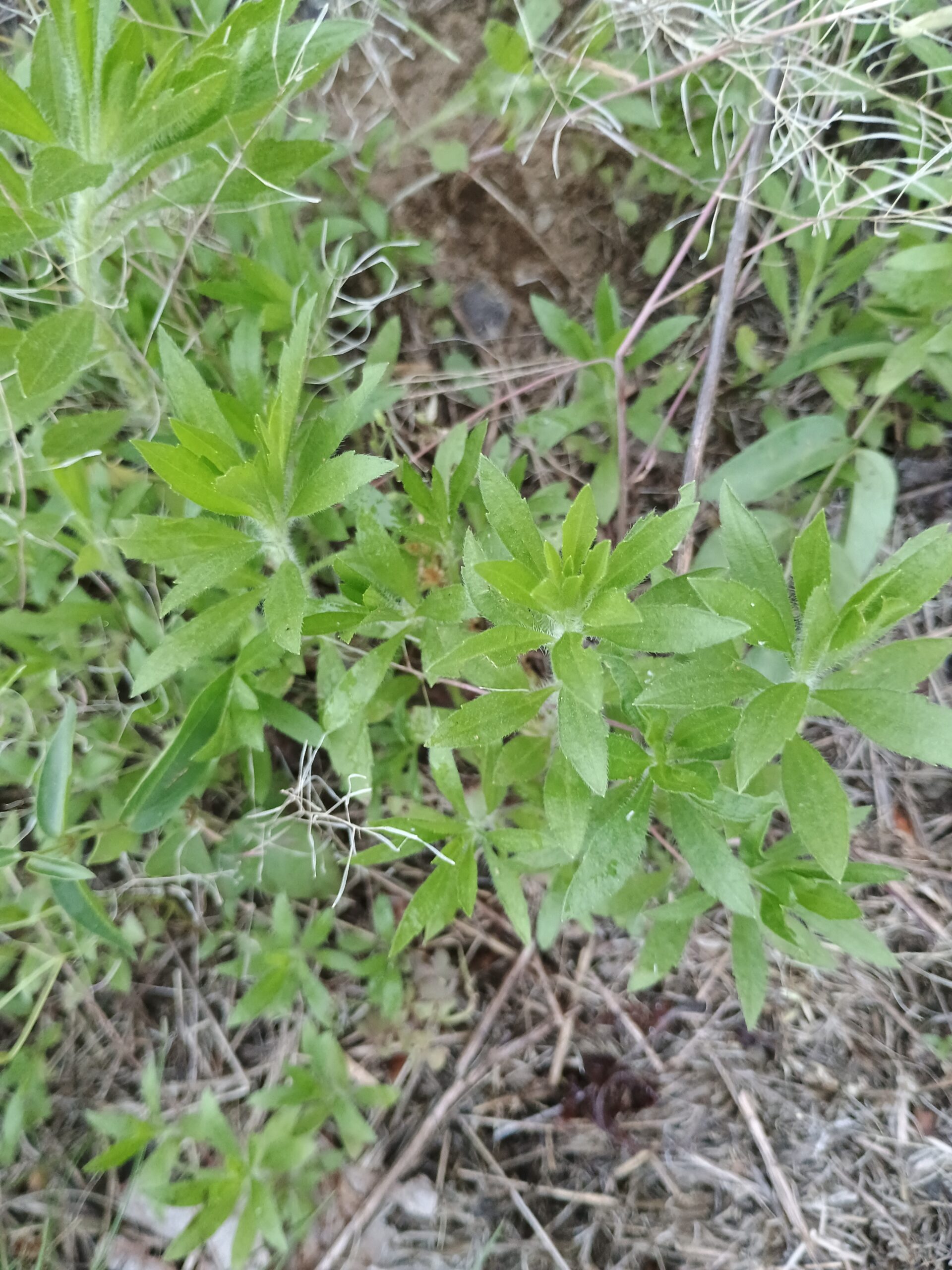
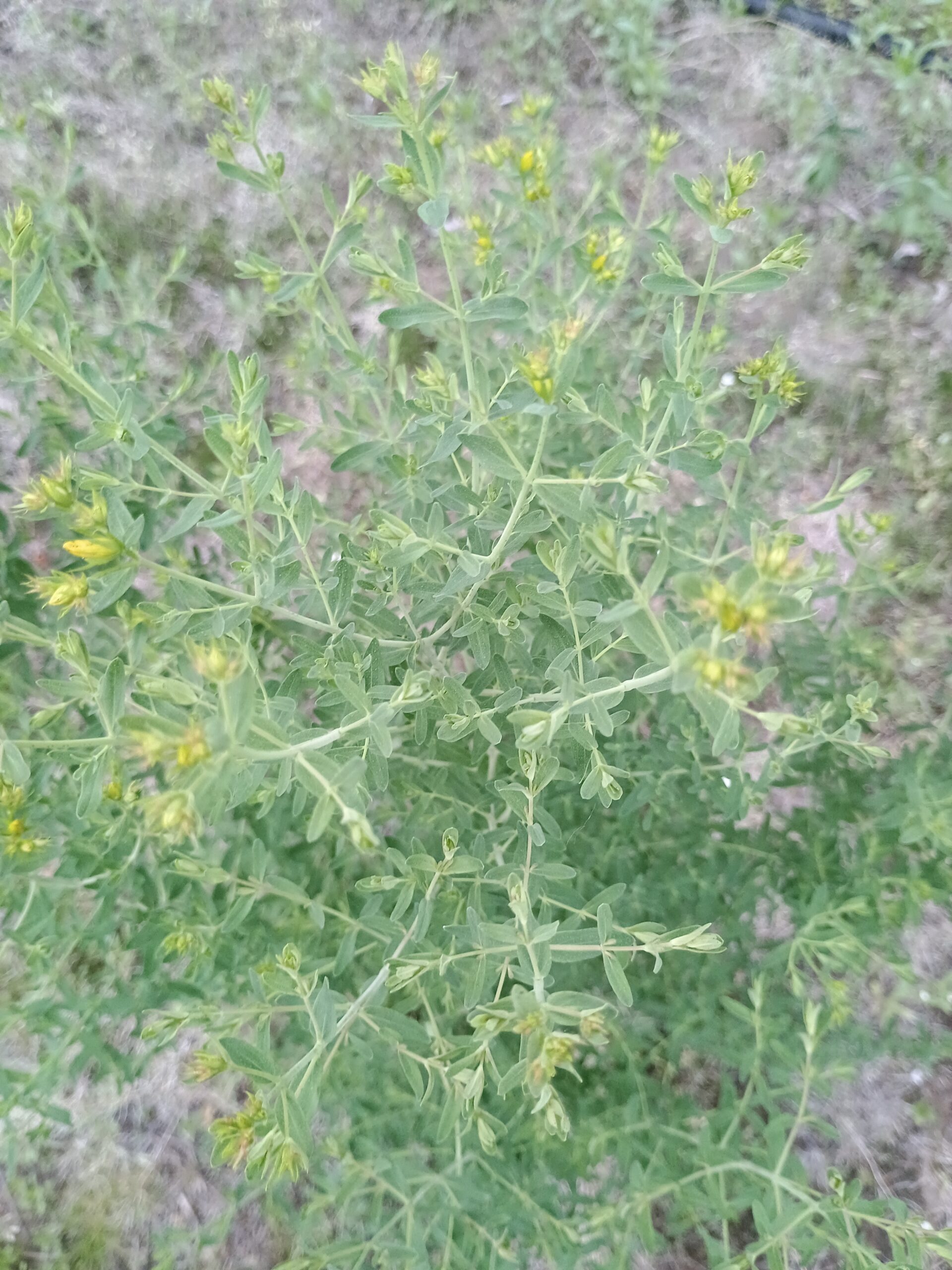
Hypericum (St. John’s Wort). Perennial non-native food source for moths and beetles.
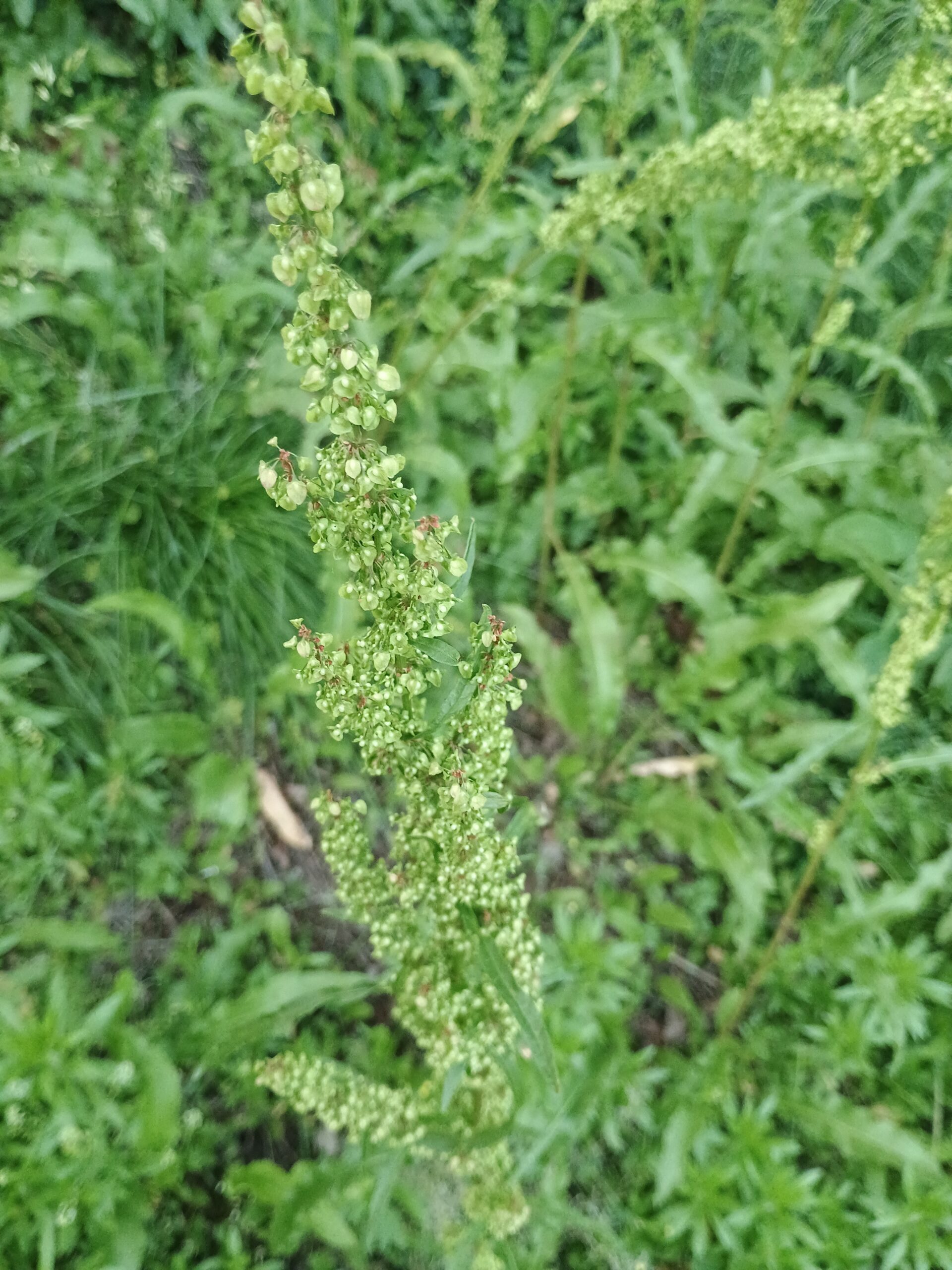
Rumex longifolius DC (LongleafDock). A non-native perennial weed, but not considered to be invasive.
Shrubs
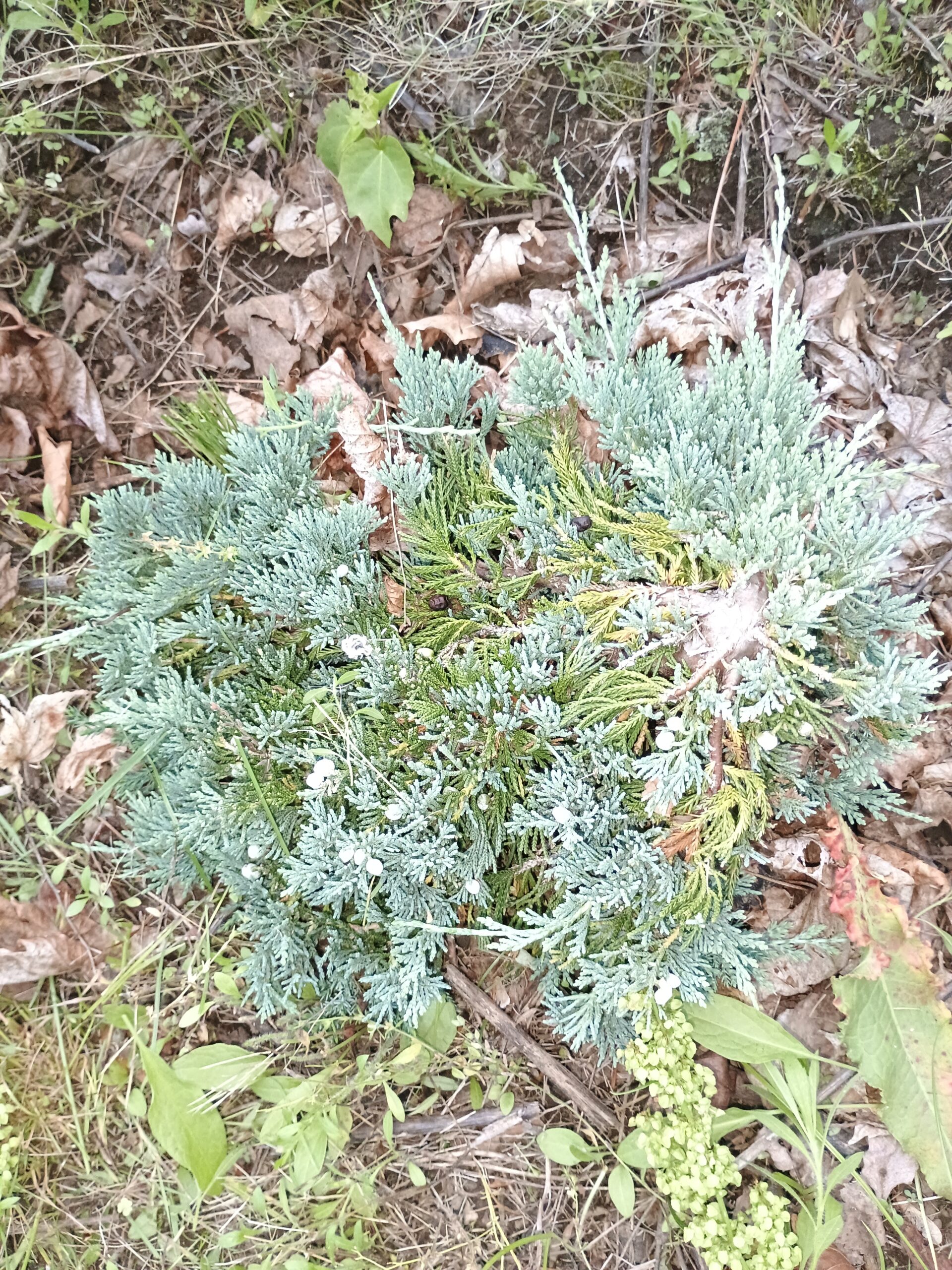
Juniperus horizontalis ‘Wiltonii’ (Blue Rug Juniper), A native evergreen shrub, providing winter food for birds and mammals, Low-growing 4-6 ft diameter creeping juniper which should in time branch over the top of the front wall.
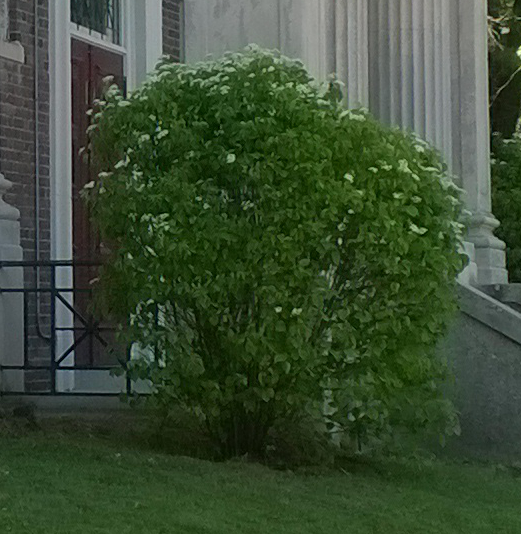
Viburnum dentatum ‘Autumn Jazz’. A native flowering shrub with ollinator-friendly flowers and berries eaten by birds.
Invasives
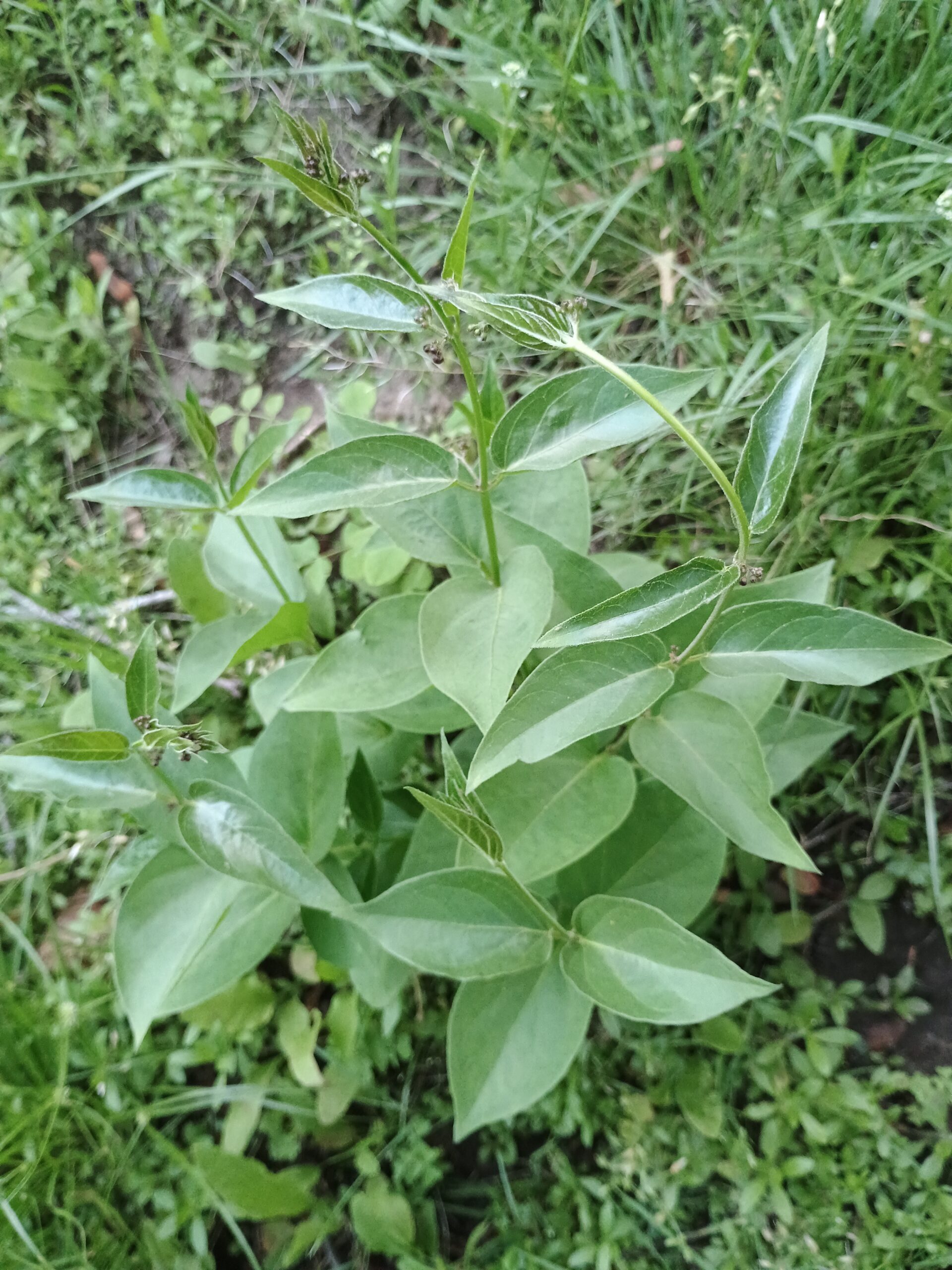
Cynanchum louiseae (Black swallow-wort, Dog strangle vine). Black swallow-wort is a common invasive in Arlington. It is difficult to eradicate, but should be pulled whenever seen, including the roots if possble.
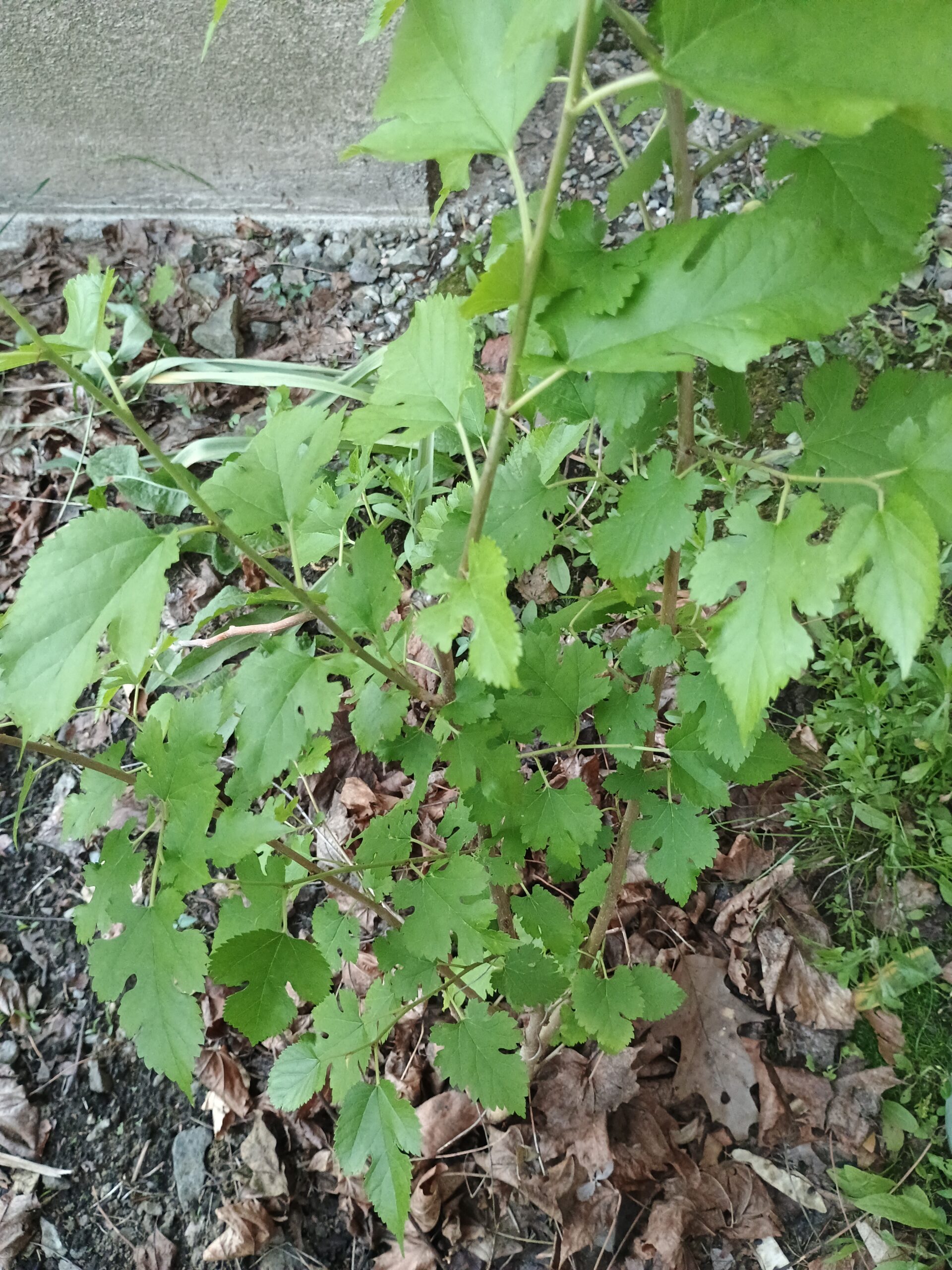
Morus alba (White Mulberry). A non-native invasive species.